
 By
By 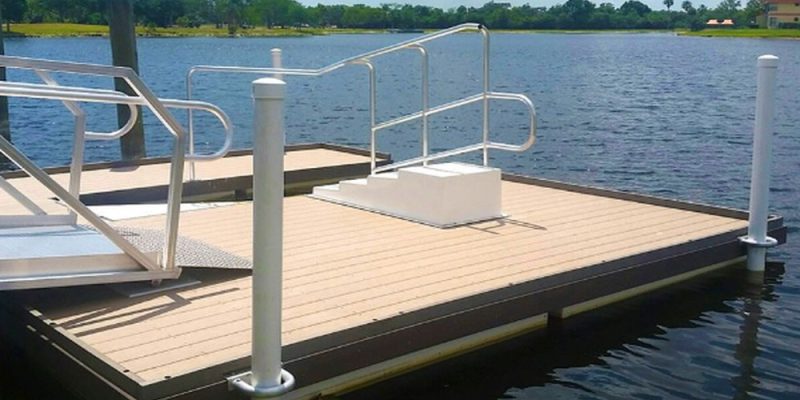
When building a floating dock, it is crucial to use the correct material. This will guarantee longevity, performance and stability. Docks built correctly can improve waterfront properties as well as withstand environmental conditions such weather changes and exposure to water. Selecting the right material can be challenging with so many choices.
This guide will assist you in deciding which materials are best for your project.
1. Aluminum Floating Docks
Aluminum floating docks, which are lightweight, strong and corrosion resistant, are extremely popular.
Aluminum Docks offer many benefits:
Aluminum is durable. It resists corrosion and rot. Aluminum is a great choice for environments that have saltwater or freshwater.
Aluminum docks can be easily handled and are lightweight. Docks can easily be installed or moved.
Aluminum requires minimal maintenance. Aluminum requires minimal maintenance.
Aluminum is an excellent load-bearing metal.
Aluminum Docks are resistant to extreme temperatures and humidity, as well UV rays
Cons of Aluminum Docks
Aluminum docks are initially more expensive than wood but have lower maintenance costs.
Aluminum surfaces exposed to direct sunlight may become very hot. Protect the surfaces by using mats or coats.
Heavy objects can dent or scratch aluminum.
2. Wood Floating Docks
Docks are traditionally constructed from wood, a natural and classic material.
Wood Docks offer many benefits:
Natural Aesthetics: Wooden docks blend in well with the landscape.
The wood can be stained and shaped to match the dock design.
Eco-friendly alternatives – If wood is sourced correctly, it’s biodegradable.
The initial cost is low. Wooden docks cost less than composite or aluminum options.
Cons of Wood Docks
High Maintenance – Wood needs to be stained, sealed or painted regularly to prevent warping and rot, as well insect infestations.
Water and weather damage. Wood absorbs moisture without being properly treated. Water and weather damage: Wood absorbs water without proper treatment.
Docks can be heavy and difficult to move. It can be hard to adjust floating docks.
Wood docks are less durable than docks made of composite materials or aluminum. These docks must be repaired or replaced frequently.
3. Composite Floating Docks
Composite docks are an excellent and modern option to wood docks. These docks are made of wood fibers and plastic resins.
Composite docks offer many benefits:
Composite materials are durable. Composites can resist UV exposure, moisture and pests.
Composite docks are less expensive to maintain than wood, as they don’t need to be painted or stained.
Surfaces that are slip-resistant – Many docks have surfaces with texture. These textures provide better traction and reduce slips in the rain.
Eco-Friendly Material – Composites made from recycled plastics or fibers from hardwood can contribute significantly to sustainability.
Composite docks resist warping and splitting. This will ensure a long-lasting investment.
Cons of Composite Docks
Composite docks cost more than wood.
Composite materials are heavier than other materials and need more support.
Although some composite materials are UV resistant, they will fade with time if exposed to direct sunlight.
4. What are the most important factors to consider when choosing dock material?
When choosing a floating dock for your waterfront, consider the following factors.
Location & Environment
- Due to their corrosion resistance, aluminum and composites work better in environments that contain seawater.
- If your area is exposed to extreme weather conditions such as high temperatures and storms, composite or aluminum docks will be more durable.
Use and weight limitation
- Use wood or composite docks for light recreational activities such as swimming or fishing.
- Aluminum docks are ideal for docks that have heavy traffic or commercial applications.
Maintenance Preferences
- Aluminium and composite materials are low maintenance.
- If you’re willing to invest time in maintenance and want to enjoy the natural beauty that wood has, a wooden dock may be a good choice.
Budget Constraints
- Short-Term vs. Long-Term Investments. Long-term, aluminum or composite is more cost effective than wood.
The best dock material is determined by a variety of factors including the location, usage, and maintenance requirements. Here’s a quick recap:
Aluminum docks are the best due to their strength, durability and ease of maintenance. Ideal for saltwater and commercial use. Wood Docks offer the best aesthetics and affordability. They require more maintenance and have shorter lifespans. Composite Docks are the most durable, require little maintenance and are environmentally friendly. Initial cost is higher.
Compare pros and cons to each product in order to guarantee durability, performance, and safety.
This post was written a professional from Supreme Marine Floating Docks. https://supremefloatingdocks.com/ is dedicated to providing top-quality floating docks and marine accessories that combine durability, innovation, and superior performance. Our team has over 50 years combined experience in the industry, which makes us a trusted brand. We are committed to designing and delivering high-quality products, which ensure reliability and durability in any marine environment. Our docks, whether for residential, recreational, or commercial use, are made with precision and care. They set a new standard in the industry. Supreme Marine doesn’t only build docks, but we create lasting solutions.


Comments