
 By
By 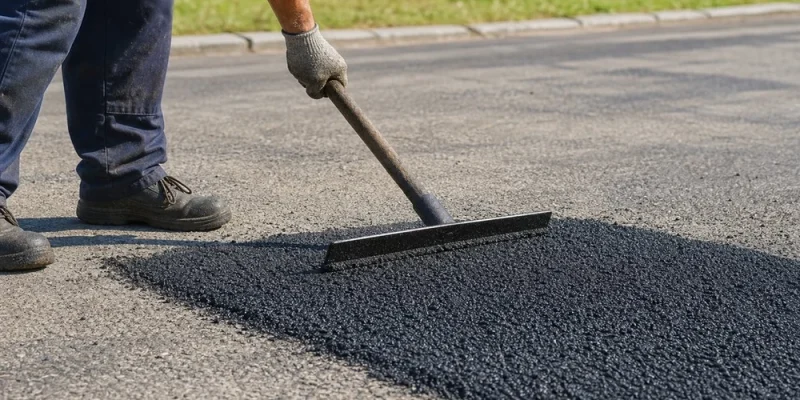
One small crack in your asphalt might seem inconsequential until water seeps underneath it. Once the water gets to the lower levels, vehicles and weather conditions can cause the crack to spread, the edges to break away, or the area to become a puddle.
The goal of proper pavement repair is not just to make your pavement look better but to protect the structural integrity of your asphalt. If you know how to spot early signs of wear and tear, you will be able to tell the difference between simple pavement repair and more extensive repairs.
Early Warning Signs
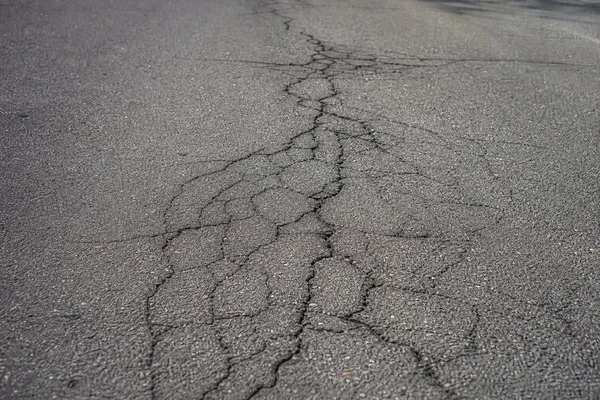
Asphalt deterioration (see here) usually occurs slowly over time, and it’s easy to overlook these signs until they become severe. Keep an eye out for any of these signs:
- Widening cracks that begin to form interconnected webs
- Potholes, crumbling pavement, or exposed aggregate
- Areas where water pools long after the rain has stopped
- Faded or dry-looking asphalt with peeling material
- Depressions or low spots near driveways, parking lots, or roadways
If a crack hasn’t opened up yet, a simple seal can prevent further damage. However, when the edges begin to crumble, there may be more serious issues that need addressing.
Water and Drainage
Water is one of the main causes of asphalt deterioration. When it infiltrates through cracks and crevices, it undermines the asphalt and can cause it to lose its structural support, eventually leading to breaks under vehicle weight.
Poor drainage can exacerbate the situation, especially if water runs off from a driveway, parking lot, or road onto a section of pavement. Even the best patch job won’t hold up if you don’t also fix the drainage issue.
Your visible concerns are not always the only ones worth worrying about.
Make sure you observe how water flows from your asphalt after a heavy rain. Is the water draining away from the damaged area or collecting around it? Visit https://www.epa.gov/soakuptherain/soak-rain-permeable-pavement for more details.
Repair Options
There are different types of repair for each type of damage. Some cracks or holes require more extensive work than others, depending on how much damage there is in the surrounding pavement and the underlying soil.
Crack Sealing
Crack sealing is usually a good option for individual cracks that haven’t caused much damage to the surrounding surface. This involves filling the crack with material to prevent water infiltration. This type of maintenance is typically performed before the edges start to crumble.
Larger-Scale Resurfacing
Isolated patches are not necessarily the answer if widespread cracking, raveling, or soft spots affect large portions of the pavement. In these cases, resurfacing or deeper repair may be needed if the asphalt isn’t strong enough to support spot repairs.
The question here is whether the damage is localized or widespread.
Patching
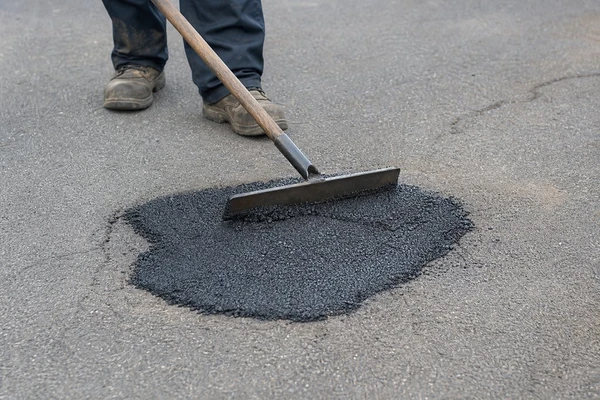
Patch work can be beneficial when dealing with potholes, localized alligator cracking, or when the asphalt in an isolated area has failed. Blacktop By Beede Paving provides asphalt repair solutions for these types of localized pavement issues. Damaged material is removed and the area is prepped, then fresh asphalt is placed and compacted into the space.
The patched area should be level with the rest of the pavement. Raised or depressed patches can interfere with drainage and pose hazards to vehicles.
Before Calling a Professional
Before you call an asphalt professional, take a quick tour of your pavement. Note where damage is occurring, whether it aligns with the flow of traffic, and whether the adjacent drainage, landscaping, or curbs are affecting the way water moves.
Pay attention to how the pavement is used. An infrequently used residential driveway has different needs than a high-traffic commercial parking lot. Frequent turns and stops by delivery vehicles, for example, can cause additional wear and tear.
When you have pavement issues, it’s best to repair them as quickly as possible. Prompt action can help keep an active pothole or crack from becoming a bigger issue.
Time of year plays a role as well. Rain is one of the most common reasons for asphalt repair failure because asphalt and repair products need a clean, dry surface to bond to. Repairs made in advance of expected rainfall are likely to fail prematurely, whereas repairs made during drier months are often more successful.
Also consider traffic flow on a busy property; you don’t want a car driving over fresh repairs that may result in tire marks or shifting of the repair product, along with premature edge failures before the repair reaches full strength. Traffic flow can be particularly challenging at entrances and loading areas.
The First Step
Cosmetic repairs can mask underlying problems, and asphalt deterioration doesn’t get better with time. Instead, focus on the areas where water collects, the edges break away, or vehicles pass frequently.
After the next rainstorm, mark down the location of any damage. Has the damage changed? Make note of any changes, and schedule an on-site assessment.



Comments