
 By
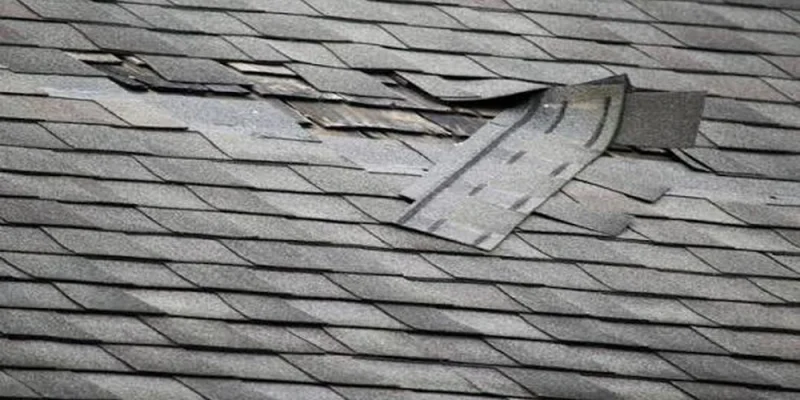
After a heavy summer storm, take a look at the ground under your downspouts. If you see a small pile of dark, sandy grit, that’s the granule layer from your shingles washing off. Losing a little after a storm is normal. A steady stream of it every season usually means the asphalt underneath is drying out.
Asphalt shingles age from the inside. Sun and heat slowly draw out the oils that keep the asphalt soft. Over the years the shingle stiffens, and a stiff shingle doesn’t bend in the wind. It cracks, and the cracks let go of granules even faster. For most of the last century, the only fix once a roof got to that point was a full tear off.
That has started to change. A type of maintenance called roof rejuvenation tries to slow the drying before it turns into failure, and contractors like My Roof Dr now offer it alongside repair, cleaning and replacement. The idea is simple, but whether it makes sense depends a lot on the age and condition of the roof.
What Actually Happens When Shingles Dry Out
An asphalt shingle is a fiberglass mat soaked in asphalt and covered with ceramic coated granules. The asphalt holds everything together and keeps the shingle flexible. The granules protect that asphalt from ultraviolet light.
Each day of heat and each cold night makes the shingle expand and contract. On south and west facing slopes, the surface can get far hotter than the air on a summer afternoon. That heat slowly drives off the lighter oils in the asphalt. What’s left is harder and more brittle every year.
In windy coastal areas, the damage builds faster. Shingles that were once soft enough to flex back into place now crack along the nail line or lift at the corners. The adhesive strips that seal each course to the one below can also lose their grip as the asphalt ages, so a strong gust may lift a whole row.
How Rejuvenation Treatments Work
Most rejuvenation products use a soybean oil emulsion that is sprayed across the roof. The oil soaks past the granules into the asphalt and replaces some of what the sun has taken out. The goal is to bring back enough flexibility that the shingle bends instead of breaking, and to help it hold onto the granules it still has.
According to a report from the Agricultural Utilization Research Institute, these treatments work best on shingles between five and 20 years old. The same report says a treatment usually costs about 15 to 20 percent of a new roof. That figure is worth keeping in mind when you compare options. Manufacturers usually back their products with a warranty of at least five years, and a roof can often be treated again when that period ends.
These products are plant based, so overspray on siding or plants usually rinses off with a hose or the next rain. An application typically takes an hour or two, with no tear off and no dumpster in the driveway.
Which Roofs Are Good Candidates
Not every roof is a fit. A careful inspection comes before any spraying, and the inspector is mainly looking at four things.
Age in the middle years. A roof installed only a couple of years ago doesn’t need help yet. A roof well past its expected life may have nothing left to restore.
A mostly intact surface. Shingles with curled edges, lots of cracks or bare patches where the granules are gone usually don’t qualify. Rejuvenation can slow the damage but can’t undo it.
Sound decking and flashing. The treatment works on the shingle surface only. Soft spots in the roof deck, rusted flashing or a leak around a chimney need proper repair first.
A clean surface. Moss, lichen and heavy debris keep the treatment from reaching the asphalt, so the roof usually needs a gentle cleaning first.
Where Moss and Algae Fit Into the Picture
Black streaks on a roof are usually algae, and they’re especially common in humid areas near the water. Moss is a different problem. It grows on shaded slopes that stay damp, often under overhanging trees, and it holds moisture against the shingles for days after rain.
How you clean matters as much as whether you clean. The Asphalt Roofing Manufacturers Association warns against pressure washing because it strips granules and can shorten a roof’s life. It recommends a diluted bleach solution, enough time for it to work, and a low pressure rinse. Moss loosens over time after that, and stubborn growth may need a second treatment.
Trimming back branches that shade the roof is one of the cheapest ways to stop moss from coming back. More sunlight and airflow help the roof dry faster after every storm.
What Rejuvenation Cannot Do
The limits are important, because a spray can look like a fix for problems it doesn’t touch.
It won’t replace missing shingles or reseal flashing that has pulled away from a wall. It does nothing for rotted decking, worn underlayment or damage from ice dams. Hail bruises, where the mat underneath is fractured, stay fractured.
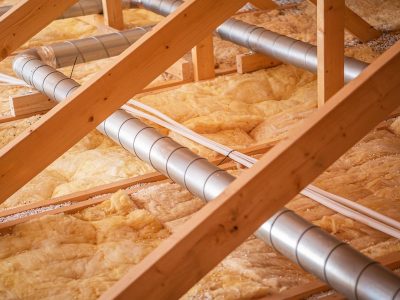
It also does nothing about the attic. A poorly ventilated attic bakes the shingles from below all summer, and no treatment on top can make up for that. If the attic stays very hot on a warm afternoon, improving ventilation may do more for the roof’s life than anything sprayed on the shingles.
Homeowners should also read the original shingle manufacturer’s warranty before going ahead. Some warranties have conditions about aftermarket treatments, and it’s worth knowing those terms before anything is applied.
Weighing the Decision
The best case for rejuvenation is a roof in its middle years with good bones and a dull, dry surface. For that roof, a treatment can push back the replacement date by several years. That gives a family time to save for a new roof without rushing the decision after a leak. It also keeps a ton or more of old shingles out of a landfill for a while.
The case gets weaker as roofs get older. A roof with curling edges, bald patches and a few small leaks is near the end of its life, and spending money to delay that usually doesn’t pay off. In that situation, the money is better spent on a proper replacement with good ventilation and flashing.
A good inspection should end with photos of each slope, an honest view of how many years the roof has left, and a clear explanation of why treatment does or doesn’t make sense. If a contractor recommends rejuvenation for every roof they look at, regardless of age or condition, get a second opinion before you agree to anything.
Comments