
 By
By 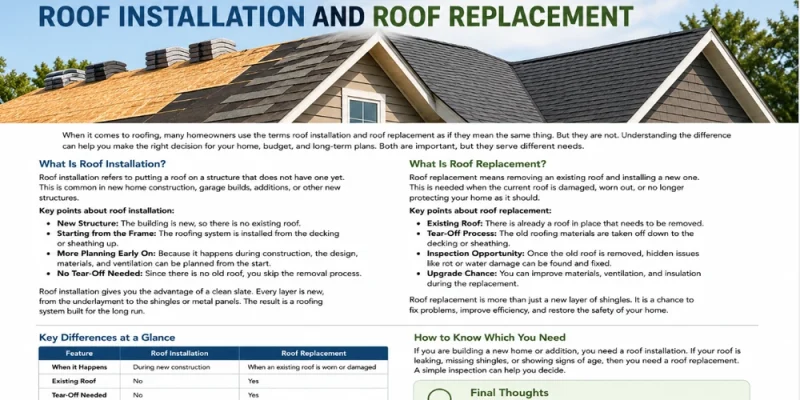
Many people use the terms roof installation and roof replacement like they mean the same thing. They are related, but they are not exactly the same. Both involve putting roofing materials on a structure, but the reason for the work, the process, and the planning can be different.
Understanding the difference helps homeowners make better decisions. It also helps with budgeting, scheduling, and knowing what to expect before roofing work begins.
What Is Roof Installation?
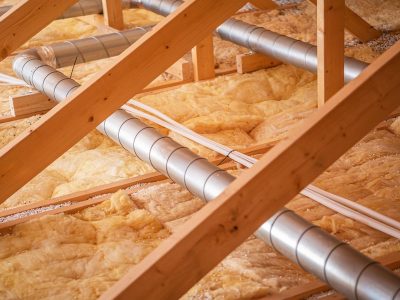
Roof installation usually means adding a roof to a new structure. This could be a new home, garage, room addition, shed, commercial building, or outdoor structure. Since there is no old roof to remove, the work begins with the roof deck or framing.
During roof installation, each roofing layer is added for the first time. This may include underlayment, flashing, ventilation components, drip edges, shingles, tiles, metal panels, or other roofing materials. The goal is to build a complete roofing system from the start.
One advantage of roof installation is that everything can be planned early. The roof slope, drainage, ventilation, insulation, and material choice can all be considered before the final roof is placed. This gives the structure a clean start.
Roof installation is common during new construction. It requires coordination with other parts of the building process. The roof must fit the structure, protect the interior, and support long-term performance.
What Is Roof Replacement?
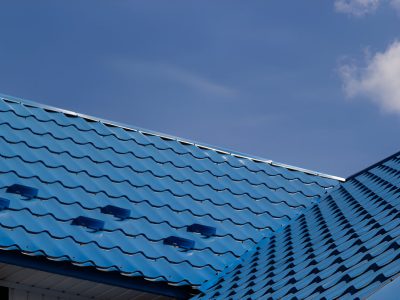
Roof replacement means removing an existing roof and installing a new one. This is usually needed when a roof is old, damaged, leaking, worn out, or no longer protecting the building properly.
Unlike roof installation, replacement starts with tear-off. Old shingles, tiles, panels, underlayment, and damaged components may need to be removed. Once the old materials are taken off, the roof deck can be inspected.
This inspection step is important. Hidden problems often appear after the old roof is removed. There may be soft decking, water damage, rot, poor ventilation, damaged flashing, or old repairs that need correction. A roof replacement gives homeowners a chance to fix these problems before the new roofing system is installed.
Roof replacement is often more involved than a new installation because there is cleanup, disposal, repair work, and extra inspection. But it also gives the home a fresh layer of protection.
Key Differences Between the Two
The biggest difference is whether a roof already exists. Roof installation happens on a new structure. Roof replacement happens when an old roof must be removed and replaced.
Another difference is the preparation. Roof installation begins with a new surface. Roof replacement begins by removing the old roofing and checking what is underneath.
Cost factors can also differ. A roof installation may depend mostly on design, materials, labor, and structure size. A roof replacement may also include tear-off costs, disposal fees, deck repairs, and replacement of damaged parts.
Timing can also vary. Installation is often part of a larger construction schedule. Replacement is usually planned around the condition of the current roof, weather, leaks, or home improvement goals.
How Do You Know Which One You Need?
If you are building a new structure, you need roof installation. If your current roof is damaged, aging, leaking, or missing materials, you likely need roof replacement.
Some signs that replacement may be needed include frequent leaks, curling shingles, missing shingles, sagging areas, cracked tiles, rusted metal panels, damaged flashing, or water stains indoors. Age also matters. Even if the roof still looks acceptable, older materials may lose their ability to protect the home.
A roof inspection can help confirm the best option. Sometimes a repair is enough. Other times, replacement is the safer and more cost-effective choice.
Why the Difference Matters
Knowing the difference helps you ask better questions. It also helps you understand estimates and avoid confusion. Roof installation and roof replacement both protect the building, but they solve different problems.
A new installation creates a roofing system from scratch. A replacement removes a failing or outdated roof and gives the structure renewed protection.
Final Thoughts
Roof installation and roof replacement are both important roofing services, but they are not the same. Installation is usually for new construction. Replacement is for an existing roof that needs to be removed and rebuilt.
The right choice depends on the structure, the roof condition, and the long-term goal. With proper planning, both options can improve protection, comfort, and value for the property.
This post was written by a professional at Baypoint Roofing. Baypoint Roofing is a State-certified, insured, bonded, and licensed roofing contractor specializing in insurance restoration, storm damage roof repair Land o Lakes FL, and expert roof inspections and installations. With over 25 years of experience, we proudly serve the entire state of Florida. Whether you need a complete roof replacement or precise repairs, our skilled team delivers unmatched quality and service. Trust Baypoint Roofing to protect your home or business with solutions that endure the Florida elements and exceed your expectations. Your satisfaction is our top priority.


Comments