
 By
By 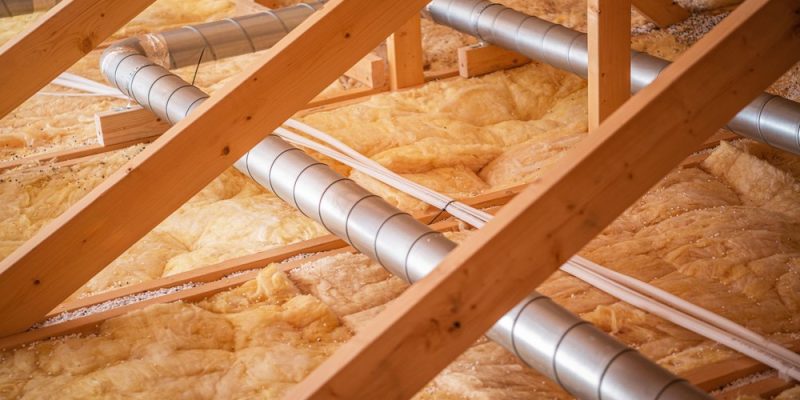
A roof can look brand-new on the outside while quietly deteriorating underneath. One of the most overlooked causes of early roof failure is poor attic ventilation when soffit and ridge vents are improperly balanced; heat and moisture become trapped-slowly “cooking” the roof structure from the inside out.
Why Attic Ventilation Matters More Than Most Homeowners Realize
Your attic is not just empty space-it’s a temperature and moisture control zone. In a properly ventilated system, cool air enters through soffit vents while hot air exits through ridge vents. This continuous airflow prevents extreme heat buildup and reduces moisture accumulation.
When this balance is off, attic temperatures can soar, accelerating shingle aging, weakening roof decking, and promoting mold growth.
The Attic Ventilation Math That Most Roofs Are Built On
Proper ventilation is calculated using building code ratios based on attic floor space. The most common standard is the 1:150 rule, which requires one square foot of net free ventilation area for every 150 square feet of attic space.
NFVA = frac{A}{150}
In this formula, A represents the attic floor area. This calculation determines the minimum net free vent area (NFVA) needed to maintain healthy airflow. If a vapor barrier is present, some codes allow a 1:300 ratio, but only under specific conditions.
What Happens When Ventilation Is Imbalanced
Even if total vent area meets code, imbalance between intake (soffit vents) and exhaust (ridge vents) can still cause major problems. If there is too much exhaust and not enough intake, air cannot circulate properly.
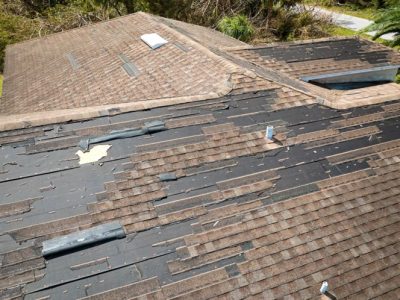
This imbalance traps hot air in the attic, raising temperatures significantly. In summer months, attic heat can exceed safe levels for roofing materials, causing shingles to curl, dry out, and lose protective granules prematurely.
Hidden Damage Caused by Poor Airflow
Moisture is just as damaging as heat. Warm indoor air rising into a poorly ventilated attic can condense on cooler surfaces. Over time, this leads to:
- Mold growth on rafters and insulation
- Wood rot in roof decking
- Reduced insulation effectiveness
- Rusted fasteners and weakened structural connections
These issues often develop silently long before visible roof damage appears.
Warning Signs Your Roof Ventilation Is Failing
Homeowners can often spot early symptoms of poor ventilation, including:
Final Thoughts
Attic ventilation is not just a design detail-it is a critical system that protects your roof from premature failure. When soffit and ridge vents are improperly balanced, heat and moisture build up silently, damaging your roof from the inside out. Understanding the ventilation math helps homeowners recognize why proper airflow is essential for long-term roof performance and durability.
This post was written by a professional at Coastal Brothers Roofing. Coastal Brothers Roofing is a family-owned Tampa roof installation company offering expert re-roofing and repair services. Whether you need a roof replacement in Lutz, FL, or maintenance, we install premium shingles, tile, metal, and low-slope systems, including products from Tamko and Owens Corning. Our team also provides gutter, soffit, fascia, and emergency tarping. Trusted as one of the best residential roofing companies near you, we deliver durable, high-quality roofing systems built for Florida’s climate.

Comments