
 By
By 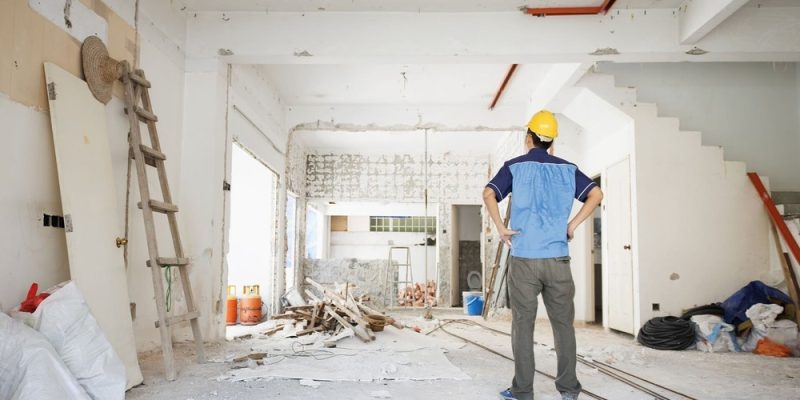
Remodeling a home is never just about changing how a space. It’s about transforming how it works. In cities like Miami, where homes often blend coastal charm, modern living, and compact urban layouts, thoughtful remodeling can dramatically improve both functionality and available space. Whether you’re updating an older property or customizing a newer one, the right strategies can make your home feel larger, smarter, and far more comfortable to live in.
Below are some of the most effective remodeling strategies that help homeowners maximize space and improve everyday functionality, especially when you plan to remodel miami homes with intention and long-term value in mind.
1. Start With a Function-First Floor Plan
Before picking finishes or fixtures, the most important step is rethinking how your space actually works. Many homes in Miami were designed decades ago, and their layouts don’t always reflect modern lifestyles.
Ask yourself:
- Are there underused rooms?
- Do certain areas feel cramped or disconnected?
- Is traffic flow natural or obstructed?
A function-first approach focuses on eliminating wasted space and improving movement. For example, removing unnecessary hallways or combining small rooms can instantly open up square footage without physically expanding the home.
When you remodel miami properties with this mindset, the goal isn’t just beauty. It’s smarter living.
2. Open Concept Living for Better Flow
One of the most effective ways to improve both space and functionality is to adopt an open-concept layout. Getting rid of all the non-structural walls between your dining and kitchen areas creates a proper flow, which makes your home look much larger.
Benefits include:
- Better natural light distribution
- Improved social interaction
- Flexible furniture arrangements
- Enhanced airflow is important in Miami’s warm climate
However, open layouts must be carefully planned. Without structure, spaces can feel undefined. Use area rugs, lighting, or ceiling changes to subtly separate zones while maintaining openness.
3. Multi-Functional Rooms Are the Future
Modern living demands flexibility. A single room should ideally serve more than one purpose.
Some smart ideas include:
- Guest room + home office combo
- Living room with built-in workspace
- Kitchen island doubling as dining space
- Fold-out Murphy beds for occasional guests
This approach is especially valuable when you remodel Miami homes, where space is often at a premium. Instead of expanding outward, you maximize what already exists.
4. Built-In Storage to Eliminate Clutter
Clutter is one of the biggest reasons homes feel small and disorganized. The solution isn’t always more space-it’s better storage design.
Built-in storage can include:
- Floor-to-ceiling cabinets
- Under-stair storage units
- Window seat drawers
- Recessed wall shelving
- Hidden kitchen pantry systems
By integrating storage into the architecture itself, you free up visible space and create a cleaner, more spacious environment. This is a game-changer when you remodel miami interiors, where style and practicality need to coexist.
5. Expand Visually With Light and Color
Space isn’t just physical-it’s visual. The right color palette and lighting design can make a home feel twice its actual size.
To enhance space perception:
- Use light, neutral colors like whites, creams, and soft grays
- Incorporate mirrors to reflect light and extend sightlines
- Maximize natural light with larger windows or glass doors
- Use layered lighting (ambient, task, and accent lighting)
In Miami, where sunlight is abundant, taking advantage of natural light is especially powerful. Glass sliding doors or floor-to-ceiling windows can blur the boundary between indoors and outdoors, creating a resort-like feel.
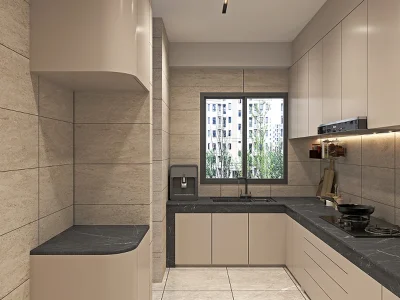
6. Smart Kitchen Remodeling for Efficiency
The kitchen is often the heart of the home-and also the most functionally demanding space. A well-designed kitchen can significantly improve daily living.
Key upgrades include:
- Kitchen islands with storage and seating
- Pull-out drawers instead of deep cabinets
- Vertical storage for spices and utensils
- Appliance garages to reduce countertop clutter
- Efficient work triangle layout (sink, stove, fridge)
When you remodel Miami kitchens, prioritize durability and airflow as well. Miami’s humid climate makes ventilation and moisture-resistant materials especially important.
7. Bathroom Layout Optimization
Bathrooms are often small but heavily used spaces. Improving layout efficiency can dramatically enhance comfort.
Strategies include:
- Wall-mounted toilets and vanities to free floor space
- Glass shower enclosures instead of bulky curtains
- Recessed shelving for toiletries
- Dual-purpose mirrors with storage or lighting
- Sliding doors instead of swing doors
Even small changes can make a bathroom feel significantly larger and more functional.
8. Outdoor-Indoor Integration
One of Miami’s biggest advantages is its climate. A smart remodeling strategy is blending indoor and outdoor living spaces.
Consider:
- Expanding patios into living areas
- Installing sliding or folding glass walls
- Creating covered outdoor kitchens
- Adding seamless flooring transitions
- Designing shaded lounge areas
This not only increases usable space but also enhances lifestyle quality. When you remodel Miami homes with outdoor integration in mind, you effectively extend your living area without adding enclosed square footage.
Final Thoughts
Improving functionality and space is not about making a home bigger. It’s about making it smarter. Every square foot should serve a purpose, and every design decision should enhance daily living.
When you plan to remodel Miami homes, focus on flow, flexibility, and efficiency. The result isn’t just a more beautiful space. It’s a home that genuinely works better for your lifestyle, today and in the years to come.



Comments