
 By
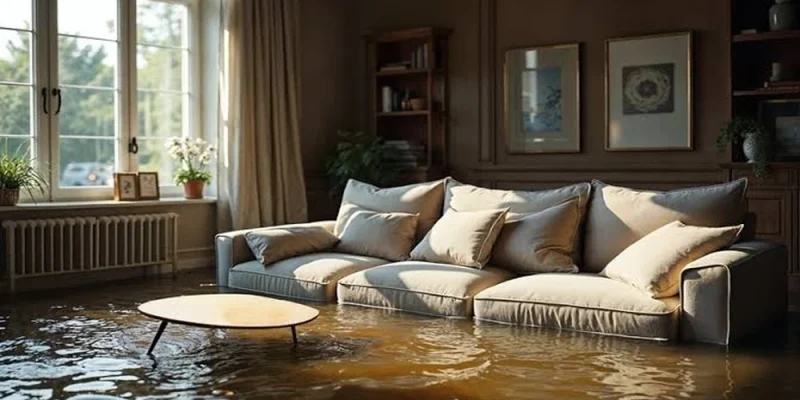
A hiss from the utility closet at 2 a.m. does not sound like an emergency until the carpet starts to squelch underfoot. That is usually the moment Las Vegas homeowners reach for a phone, and it is the call that NXTGEN Restoration is set up to catch. The licensed and insured crew is family owned, carries more than 25 years of hands-on experience, answers day or night, and aims to have a team on site anywhere in Southern Nevada within an hour. Inspections are free at any hour, and the insurance paperwork gets handled right alongside the cleanup. What happens before that van arrives, and in the weeks afterward, shapes the final bill more than most people expect.
Minute One Belongs to You
Nobody can reach your house in zero minutes, so the first actions fall to whoever is standing in the water. The goal is to stop the problem from growing, not to fix it.
- Shut off the water at the main valve, or at the fixture if it is close and dry to reach.
- Switch off power to the affected area at the breaker, but only if you can get to the panel without stepping in water.
- Lift small items, rugs, electronics and paper off wet floors.
- Photograph and film everything before you move or mop anything.
- Call a restoration crew before you work through the rest of the repair list.
Resist the urge to hunt for a wet vac. Pulling out a few gallons feels productive, but the water you cannot see is the water that causes the real trouble.
A Dry Climate Does Not Mean a Safe House
Desert living gives people a quiet confidence that water damage happens somewhere else. It does not. Water heaters in the valley battle hard water for years, and mineral scale slowly shortens their life until a tank seam gives out. Supply lines under sinks, ice maker hoses and toilet connections fail without any drama. Air conditioners run for most of the year, so condensate drain lines clog and spill into ceilings and closets. Slab leaks hide under flooring for weeks. Then monsoon season arrives, and one short, violent storm can push runoff under a garage door and into a living room within minutes. Dry air outdoors also makes owners slow to notice dampness inside a sealed, air conditioned home.
The Hour the Crew Walks In
A good team starts by looking, not by tearing things out. Moisture meters read what is inside walls and subfloors, thermal cameras reveal cool wet patches hiding behind paint, and the technician maps exactly how far the water has traveled. That map drives every decision that follows.
Clean water from a supply line is treated differently from water that has touched a toilet, a drain or the outdoors. Contaminated water brings bacteria with it and usually means removing porous materials such as carpet padding and soft drywall. Standing water comes out first with pumps and extractors. After that, the crew sets up for drying and tells you plainly what can be saved and what cannot.
Drying Takes Longer Than Anyone Hopes
This is where patience pays off. Air movers push dry air across wet surfaces while dehumidifiers pull moisture out of the room, and the equipment usually runs for several days rather than hours. Technicians check readings daily and shift fans as areas dry out. Sometimes baseboards come off, or small holes are cut at the bottom of a wall so air can reach the cavity behind it.
Homeowners tend to dislike the noise and the look of it, yet those loud machines are what prevent swollen cabinets, warped floors and soft framing months later. A wall that feels dry to the hand can still hold moisture inside, which is why meter readings matter more than touch.
The Clock Mold Keeps
Mold can begin to grow on damp materials within 24 to 48 hours, and it needs surprisingly little to get started. That timeline is the whole reason a fast response is worth caring about. If growth has already taken hold, remediation starts by sealing the area behind plastic containment, running filtered air scrubbers, removing infested material and cleaning the surfaces around it.
The most important step is finding the moisture source. Cleaning mold without fixing the leak is like bailing a boat while the hole stays open. A musty smell, a stained ceiling patch or a utility closet wall gone fuzzy behind a water heater are all signs worth acting on early.
When the Damage Is Not Water
Fire brings its own second act. Smoke and soot travel through vents and settle into walls, fabrics and insulation, and the acidic residue keeps etching surfaces long after the flames are out. Cleanup means removing soot, neutralizing odor, and often a pack out, where belongings are cleaned and stored off site while repairs happen.
Biohazard situations such as sewage backups or trauma scenes call for protective gear and proper disposal. These are not weekend projects, however tempting it feels to handle them quietly on your own.
Paperwork Wins Claims
Adjusters want proof, and proof is easiest to collect at the start. Keep a simple record as the job moves along.
- Dated photos and video of the damage before any cleanup begins
- A written list of damaged belongings with their rough age and value
- Copies of moisture readings, drying logs and invoices from the crew
- Names and times for every call with your carrier
Hold on to damaged items until the adjuster has seen them or approved disposal, unless they pose a safety risk. Reporting the loss promptly matters too, since most policies expect you to take reasonable steps to prevent further damage, and professional mitigation is a normal way to show that you did. A crew used to working with carriers can speak the adjuster’s language, which keeps projects from stalling over a missing document.
Picking Who Gets the Keys
Not every company that answers at midnight is equipped to see a job through. Ask whether the technicians hold industry certifications, which you can verify through a public certified firm directory. Confirm that the company carries a state license and insurance, ask for a realistic arrival window and a written scope before work begins, and notice whether the person on the phone explains things or only pushes for a signature.
The best sign is a team that tells you what is happening in plain words while the fans are still running. When water, smoke or mold takes over a home, the people you choose matter nearly as much as how soon they show up, and a calm, well documented first day tends to make every day after it easier.

Comments