
 By
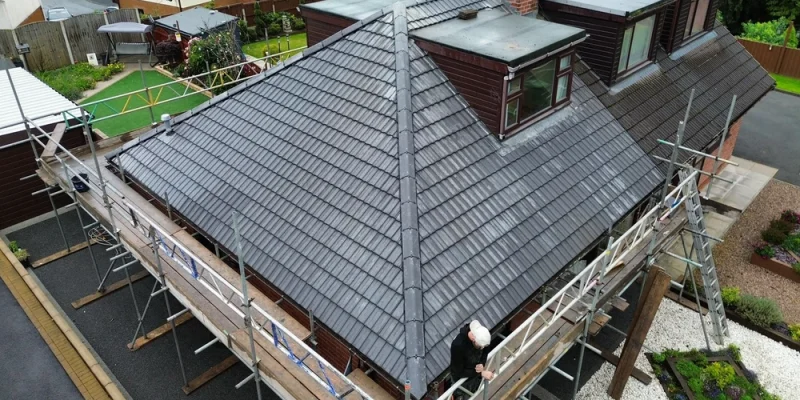
A roof is one of the most important structural elements of any property, yet it is often overlooked until a noticeable problem develops. When homeowners discover damaged tiles, persistent damp patches or signs of general deterioration, an important question usually follows: should the roof be repaired, restored or completely replaced?
There is rarely a single answer that applies to every property.
Roofing decisions depend on the age and condition of the existing structure, the extent of any deterioration, the materials involved and the homeowner’s long-term plans.
Across Oldham and Greater Manchester, where properties range from traditional terraced houses to modern family homes, understanding these considerations can help homeowners make informed decisions without committing to unnecessary expenditure.
Why Roof Condition Matters More Than Roof Age
The age of a roof provides useful information, but it should not be the sole factor determining whether replacement is necessary.
Different roofing materials have different expected lifespans, and their performance depends on installation quality, weather exposure and maintenance history.
A relatively old slate roof may remain serviceable when its supporting structure and individual slates are in good condition. Conversely, a newer roof can develop problems if installation details are unsuitable or essential components deteriorate prematurely.
Professional assessments should consider the roof as a complete system rather than focusing exclusively on its external appearance.
Experienced roofers Oldham homeowners consult can help distinguish between isolated defects, developing structural concerns and more widespread deterioration.
This distinction is important because replacing an otherwise serviceable roof may represent unnecessary expenditure, whilst repeatedly repairing a fundamentally failing system may prove uneconomical.
When Is a Localised Roof Repair the Sensible Option?
A targeted roof repair may be suitable when deterioration is limited to a specific area and the surrounding roofing materials remain structurally sound.
Examples might include a small number of displaced tiles, isolated damage to ridge components or a localised defect around a roof penetration.
In these circumstances, roofers in Oldham repairing the affected section may restore weather resistance without requiring extensive replacement work.
However, identifying the actual cause of the problem is essential.
Water entering a roof at one location can travel along internal surfaces before becoming visible inside the property. Consequently, the position of an internal damp patch does not necessarily identify the precise point of entry.
A reliable assessment should investigate the underlying cause rather than simply treating the most obvious symptom.
Homeowners should also consider whether compatible replacement materials are available, particularly on older properties with traditional roof coverings.
What Makes Roof Restoration Different from Repair?
Roof restoration generally involves a broader programme of improvement designed to extend the useful life of an existing roofing system.
Unlike a small repair, restoration may address several related areas of deterioration.
Depending on the roof’s condition, this could include replacing multiple damaged coverings, renewing defective ridge details, improving drainage arrangements or addressing deteriorated components.
Restoration should only be considered when the underlying structure remains suitable and the proposed work can deliver a worthwhile improvement.
The term itself can describe different services, so homeowners should ask contractors to explain exactly what is included.
A detailed specification helps distinguish meaningful remedial work from cosmetic improvements that may do little to address underlying defects.
When Does Complete Roof Replacement Become More Practical?
Complete replacement may become appropriate when deterioration affects a substantial proportion of the roofing system or when repeated repairs are no longer delivering reliable results.
Possible indicators include widespread material failure, extensive deterioration of supporting components or multiple recurring problems across different roof sections.
However, replacement should follow a considered assessment rather than being recommended solely because a roof is old.
Homeowners should request a clear explanation of why the existing system is unsuitable for continued repair.
A replacement project also creates opportunities to review insulation, ventilation, drainage and related components where appropriate.
These improvements should be assessed as part of the overall roofing specification rather than assumed to be necessary in every case.
Understanding the True Cost of Repeated Repairs
One of the most important considerations is the relationship between short-term repair costs and long-term financial value.
An individual repair may appear inexpensive compared with a complete roof replacement.
However, when separate defects repeatedly emerge, cumulative expenditure can become significant.
Homeowners should consider the frequency of previous repairs, the likelihood of additional deterioration and the expected remaining service life of the roof.
For example, several isolated repairs over a number of years may be perfectly reasonable if the surrounding structure remains reliable.
By contrast, repeated interventions across a generally deteriorating roof may indicate that a more comprehensive solution deserves consideration.
The objective should not automatically be to select the cheapest initial quotation, but to identify a proportionate solution that offers suitable long-term value.
How Can Homeowners Compare Roofing Quotations Properly?
Comparing quotations involves more than examining the final price.
A professional roofing quotation should explain the proposed scope of work, materials, access requirements and any associated repairs.
Homeowners may wish to clarify whether the quotation includes scaffolding, waste removal, replacement of damaged supporting components and relevant finishing details.
Where substantial work is proposed, it is also important to establish whether Building Regulations requirements or other permissions apply.
Differences between quotations may reflect genuine variations in materials, specifications and the extent of the proposed work.
Asking for written clarification can help homeowners compare like-for-like options and reduce the possibility of unexpected additional costs.
Why Local Roofing Knowledge Remains Valuable
Properties throughout Oldham present a variety of roofing requirements.
Traditional terraces, semi-detached houses, older stone-built properties and modern developments may feature different construction methods and roofing materials.
Local weather exposure, roof orientation and surrounding conditions can also influence the type and extent of deterioration.
Understanding these factors can help inform suitable repair and replacement recommendations.
For homeowners considering professional roof repairs Oldham, working with a local roofing company provides an opportunity to discuss the particular characteristics of their property and identify an appropriate approach.
Seeking Professional Roofing Advice in Oldham
Delta Rooflines Ltd provides a local point of contact for homeowners seeking advice about roofing work in Oldham and surrounding areas.
Whether the concern involves isolated roof damage, recurring problems or the condition of an ageing roofing system, an initial discussion can help establish the most appropriate next steps.
Telephone: 0161 532 5936
Email: Deltarooflines@gmail.com
Homeowners can explain their concerns, discuss their requirements and enquire about an assessment of the existing roof.
Obtaining appropriate professional advice before committing to substantial work can provide greater clarity about available options and likely expenditure.
Should Homeowners Keep Records of Previous Roofing Work?
Maintaining records of roofing inspections, repairs and replacement work can be valuable for ongoing property management.
Written quotations, invoices, photographs and details of materials used can help establish what work has previously been completed.
These records may also assist future contractors when investigating recurring problems or reviewing the condition of existing components.
Where warranties or guarantees have been provided, homeowners should retain the relevant documentation and understand any conditions attached.
Keeping clear records can help support more informed maintenance decisions and provide useful information when selling a property.
Making Roofing Decisions with Long-Term Value in Mind
A successful roofing project should balance immediate requirements with the longer-term condition of the property.
Minor defects should not automatically lead to expensive replacement recommendations, just as widespread deterioration should not be addressed through endless temporary repairs.
The most suitable approach depends on accurate assessment, clear communication and an understanding of the available solutions.
For homeowners in Oldham, taking time to investigate roofing concerns and compare properly specified options can help protect both their property and their finances.
Ultimately, informed roofing decisions are not simply about choosing between repair and replacement. They are about identifying the right level of intervention, preserving serviceable materials where appropriate and ensuring that any investment contributes to the safety, reliability and long-term performance of the home.



Comments