
 By
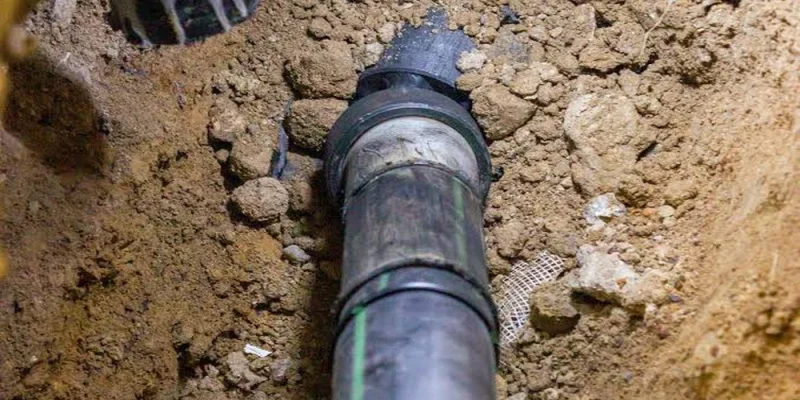
Most houses across East Texas sit on concrete slabs poured over red sandy loam and dense clay, with the main drain running under the floor and out beneath the yard to a city sewer or a septic tank. Homes built between the 1950s and the 1980s often still carry their original cast iron under the slab and clay tile or early plastic pipe out in the yard. After forty to sixty years of mineral scale, root pressure and soil that swells in wet springs and shrinks hard in August, those lines crack, corrode and pull apart at the joints. For decades, fixing them started with a shovel or a jackhammer.
Homeowners from Jacksonville and Tyler to Lindale, Athens and Lufkin now have a far less destructive option. Texas Plumbing Masters is a Jacksonville plumbing company and certified NuFlow contractor that pairs camera inspection and drain clearing with trenchless pipe repair, so a failing line under a kitchen or across a front lawn can often be restored from the inside. The same team handles water heaters, gas fitting, water filtration and after hours emergencies. Before anyone quotes you for broken concrete, have the line scoped and get a straight answer about what it actually needs.
Why Drain Lines Here Age Faster Than Expected
East Texas soil is part of the story. The clay layers under much of the region expand when saturated and contract during long dry spells, and that seasonal movement puts steady stress on rigid pipe joints. Pines, oaks and sweetgums send roots toward any joint that weeps moisture, and a hairline gap is all they need. Inside, sewer gases eat at the upper wall of cast iron while mineral heavy water leaves scale along the bottom, so a pipe can look solid at one end and be paper thin in the middle.
Finding the Problem Then and Now
The old way: A plumber ran a cable through the drain, felt resistance at some distance, and estimated where the trouble sat. Excavation often began with a best guess, and it was common to open the wrong spot or dig a longer trench than the repair required.
The new way: A waterproof camera travels the line and records video of every joint, crack and root mass. A small transmitter in the camera head lets a locator above ground mark the exact spot and depth. Homeowners get footage they can keep and show to an insurer or a second contractor.
Repairs Under the Slab
The old way: Crews cleared out cabinets and flooring, cut a trench through the slab with a jackhammer, replaced the pipe, then backfilled and patched the concrete. The alternative was tunneling under the foundation from outside, which avoided interior damage but removed supporting soil from beneath the slab. Either path could take a week or more, plus a separate bill for flooring and cabinets.
The new way: Epoxy lining restores the existing pipe in place. The line is cleaned with high pressure water jetting or mechanical descaling, dried, and then coated or fitted with a resin liner that cures into a smooth, jointless pipe inside the old one. Access usually comes through an existing cleanout or a pulled toilet, so the floor stays intact and many homes have working drains again within a day or two.
Repairs Out in the Yard
The old way: A backhoe opened a trench from the house to the street or the septic tank, cutting through driveways, sidewalks, sprinkler lines and the root zones of mature trees.
The new way: Lining works outdoors just as it does indoors, and pipe bursting offers a second route. A bursting head pulled through the old pipe fractures it outward while dragging a new HDPE pipe into the same path. Both methods need only small access pits rather than a long trench. Even those pits count as digging under Texas law, and the Railroad Commission of Texas explains the requirement to call 811 at least two days before any excavation so gas, water and electric lines get marked first.
Comparing the Three Approaches
| What matters to you | Dig and replace | Epoxy or resin lining | Pipe bursting |
|---|---|---|---|
| Access needed | Full trench or slab cut | Existing cleanout or fixture | Two small pits |
| Typical time on site | Several days to over a week | One to two days | One to three days |
| What gets disturbed | Floors, cabinets, lawn, drive | Very little | Small patches of yard |
| Pipe left behind | Entirely new pipe | New lining inside old pipe | New pipe in old path |
| Handles sags and bad slope | Yes | No | Limited |
| Best fit | Collapsed or badly sagging lines | Cracked, corroded or rooted lines | Undersized or broken yard lines |
When Digging Is Still the Right Call
A liner follows the pipe it sits in, so a line with a belly, where shifting clay has dropped a section and water pools, will still hold water after lining. A fully collapsed section has to be opened before anything can pass through it. Lines installed at the wrong slope, or ones that need rerouting for an addition or a new bathroom, also call for conventional replacement. Lining also trims inside diameter slightly, which matters more on small branch lines than on a four inch main. Many jobs end up as a mix, with one short section dug out and the rest lined.
Licensing, Permits and What to Ask For
In Texas, plumbing work has to be performed under a licensed Responsible Master Plumber, and that license number should appear on estimates and invoices. The Texas State Board of Plumbing Examiners consumer guidance explains how to verify a license and check for insurance on file. Cities such as Jacksonville and Tyler generally require a plumbing permit and inspection for sewer repair or replacement, while rural properties on septic systems fall under county rules for the tank and drain field. Ask for before and after video and a written warranty.
Keeping a Restored Line Healthy
A lined or replaced pipe removes the joints that roots used to find, but grease, wipes and heavy scale can still narrow any drain over time. Homes with very hard or iron rich water benefit from treatment at the main, which protects water heaters and fixtures along with the drains. A camera check every few years on older, tree shaded properties catches small changes early. The biggest shift in this work is simple: the decision now starts with clear video instead of a guess, and the floor stays where it belongs.
Comments