
 By
By 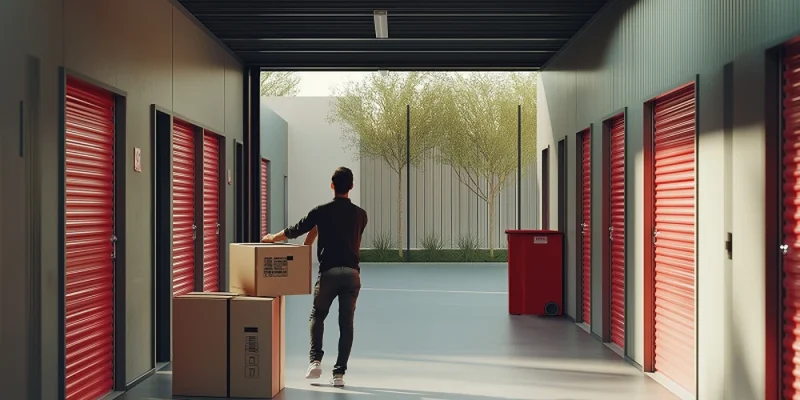
Image Recommendation: Someone standing in a half-packed storage unit, boxes and furniture stacked around them, taking stock of the space left.
Three carloads of boxes are in, the furniture’s wedged against the back wall, and there’s barely enough room left to swing the door shut. It’s a familiar moment for a lot of first-time renters: the unit looked spacious enough in photos online, but real belongings take up more room than expected once they’re actually stacked. Getting the size estimate right before booking saves both the scramble to fit everything in and the wasted money of renting more space than was ever needed.
Working Out How Much Storage Space You Actually Need
Most people size their storage purely by budget, checking the storage space price in Singapore for each tier and picking whichever feels affordable. That approach usually backfires, since an undersized unit means either leaving things behind or paying for a second one later. A better starting point is listing out what’s actually being stored: furniture pieces, box count, appliances, anything oversized like a mattress or a wardrobe, and working forward from that list toward a size rather than backwards from a budget.
Boxes are also deceptively space-hungry once stacked with gaps for access, and furniture rarely disassembles as flat as people expect. Rounding the estimate up slightly, rather than down, tends to be the safer habit.
A Quick Way to Match Your Belongings to a Unit Size
- A studio or one-room’s worth of boxes and small furniture generally fits a small unit, around 9 to 20 sqft
- A one-bedroom flat’s furnishings, including a mattress and a few large appliances, typically needs a medium unit, around 20 to 80 sqft
- A three-room flat during a full renovation or move usually calls for a large unit, around 80 to 140 sqft
- An entire household’s contents, or a small business’s stock, generally needs an extra-large unit from 150 sqft up
These bands are rough guides rather than fixed rules, and a facility can usually help refine the estimate further once given a rough inventory over the phone.
When Locker Rental Is the Better Call
Not every storage need justifies a full unit. For documents, seasonal items, hobby equipment or a modest amount of retail stock, locker rental in Singapore tends to be the more sensible option, usually priced from around $50 to $70 a month. It skips the unused floor space that comes with even the smallest unit, while still offering the same secured, off-site storage. Students, expats between leases and small business owners tend to fall into this category more often than they initially expect.
If the inventory list from earlier reads short, a handful of boxes, some files, a couple of seasonal items, a locker is worth pricing out before committing to a full unit at all.
Small Details That Change the Final Price
Beyond raw size, a few details shift the number more than people expect. Air-conditioned units cost more to maintain and are priced higher than non-air-conditioned ones, which matters if anything sensitive to humidity is being stored. Facilities closer to the city centre tend to sit above ones further out. Longer rental commitments sometimes unlock a discounted monthly rate that isn’t reflected in the advertised starting price, so it’s worth asking directly rather than assuming the listed figure is final.
Deposits, insurance and any lock or admin fee also sit outside the headline number in most cases, so requesting an all-in monthly figure before signing avoids a surprise on the first invoice. It’s also worth asking whether the deposit is refundable in full, and how much notice is needed to end the rental early, since both details tend to matter more once the actual moving date approaches than they did while comparing prices online.
Access hours are another detail easy to overlook while focused purely on size and price. A unit that’s only reachable during standard office hours can be inconvenient for anyone working a typical nine-to-five, so confirming access times upfront, alongside the size and rate, rounds out a genuinely complete comparison between facilities.
A realistic inventory, a rough size band from that list, and a direct comparison between a small unit and a locker for anything borderline is usually enough to land on the right choice without overpaying either way. Walking through the list with a facility staff member over the phone tends to catch sizing mistakes that are easy to miss when estimating alone, particularly for oddly shaped or bulky items that don’t stack as neatly as boxes.
To get a size and price recommendation based on what you’re storing, Contact SelfStore and describe your inventory to either facility.





Comments