
 By
By 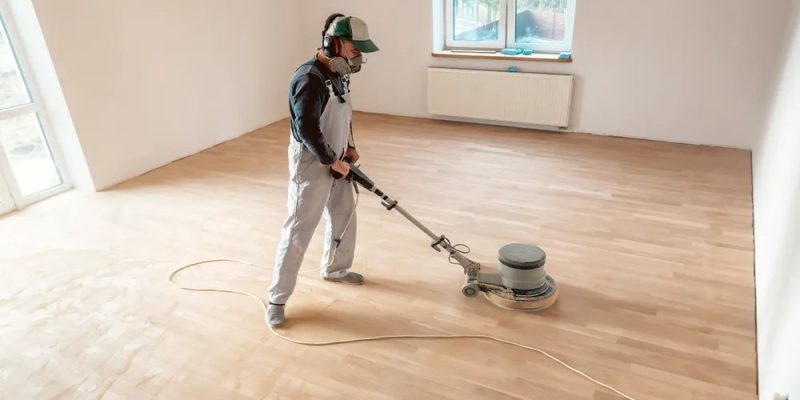
Wooden floors remain one of the most desirable features in residential and commercial spaces. They add warmth, durability, and a sense of timeless elegance. However, maintaining hardwood floors has traditionally involved messy sanding processes that spread fine dust throughout the home. This inconvenience has caused many homeowners to delay necessary restoration work.
Today, dust-free floor sanding has changed that experience entirely. By combining advanced equipment with controlled extraction systems, it is now possible to restore floors without filling living spaces with airborne dust. This approach offers cleaner results, faster cleanup, and a healthier indoor environment.
What Dust-Free Floor Sanding Really Means
Dust-free sanding does not mean zero dust, but it dramatically reduces the amount released into the air. Specialized sanding machines are connected to high-powered vacuum systems that capture dust at the source. As the sanding takes place, particles are immediately extracted before they can spread across the room.
This method is especially beneficial for occupied homes, apartments, and commercial spaces where cleanliness is a priority. Furniture, walls, and ventilation systems remain largely unaffected, making the renovation process far more convenient.
Benefits Beyond Cleanliness
While cleanliness is the most obvious advantage, dust-free sanding offers several additional benefits. Reduced dust means better visibility during the sanding process, allowing technicians to achieve a more uniform and precise finish. This results in smoother surfaces and improved overall quality.
Health is another major consideration. Traditional sanding dust can irritate the respiratory system and aggravate allergies or asthma. Minimizing airborne particles creates a safer environment for families, pets, and workers alike.
Additionally, reduced dust exposure helps preserve nearby finishes, electronics, and fabrics that could otherwise be damaged by fine particles.
When Dust-Free Sanding Is the Best Option
Dust-free sanding is ideal for homes where residents plan to remain present during renovations. It is also well-suited for multi-unit buildings where dust migration could disturb neighbors. Commercial spaces such as offices, boutiques, and restaurants benefit from minimal downtime and faster reopening.
Older hardwood floors with multiple layers of finish are particularly good candidates. The controlled sanding process allows for deeper restoration without excessive disruption.
Professional Expertise Makes the Difference
The effectiveness of dust-free sanding depends heavily on the equipment and the skill of the technicians. Not all sanding systems deliver the same results, and improper handling can still lead to surface imperfections.
Professional services like Mebesa Sablage use industrial-grade dust containment systems combined with experienced craftsmanship. This ensures that the sanding process remains efficient while protecting both the floor and the surrounding space.
Expert technicians also understand how different wood species respond to sanding and adjust techniques accordingly. This attention to detail preserves the integrity of the wood while achieving a refined finish.
Finishing After Dust-Free Sanding
Once sanding is complete, the floor is prepared for finishing. This stage is crucial for both appearance and durability. Finishes protect the wood from moisture, stains, and daily wear while enhancing its natural grain.
Because dust levels are minimized, finishes adhere more evenly to the surface. This results in a smoother look and longer-lasting protection. Homeowners can choose from various finishes depending on style preferences and room usage, from subtle matte tones to richer, polished surfaces.
Long-Term Value for Homeowners
Dust-free sanding is not just a convenience upgrade. It contributes to the long-term value of hardwood floors. Properly restored and finished floors require less maintenance and are less prone to premature wear.
Well-maintained hardwood floors also increase property appeal. Buyers often view professionally restored floors as a sign of quality upkeep, which can positively influence resale value.
Beyond financial benefits, the improved comfort and cleanliness make everyday living more enjoyable.
Choosing the Right Dust-Free Sanding Service
When selecting a floor sanding provider, it is important to look beyond pricing. Experience, equipment quality, and process transparency matter. A reliable service will assess the floor condition, explain the steps involved, and recommend suitable finishes based on lifestyle needs.
For homeowners seeking a cleaner and more advanced restoration method, sablage sans poussière Mebesa offers professional dust-free sanding solutions designed to deliver high-quality results with minimal disruption.
Final Thoughts
Dust-free floor sanding represents a modern approach to hardwood floor restoration. It combines cleanliness, precision, and health-conscious practices into a single process. By choosing experienced professionals and advanced techniques, homeowners can enjoy beautifully restored floors without the mess traditionally associated with sanding.
This method proves that effective renovation does not have to come at the cost of comfort or cleanliness.


Comments